
Signs You Are Not Eating Enough Protein: A Comprehensive Guide
Protein is a fundamental macronutrient essential for numerous bodily functions, including muscle repair and growth, hormone production, and immune system support. Many individuals, however, struggle to meet their daily protein needs, leading to a variety of negative physiological and performance consequences. This article explores the key signs that indicate you might not be consuming enough protein.
What is Protein and Why is it Crucial?
Protein is composed of amino acids, the building blocks of muscle, enzymes, hormones, and various other tissues. Research consistently shows that adequate protein intake is vital for maintaining muscle mass, supporting metabolic rate, and promoting satiety, which can aid in weight management. According to the Academy of Nutrition and Dietetics, adults should aim for a minimum of 10-35% of their daily calories from protein.
Quick Answer: Signs of Low Protein Intake
- Constant Hunger: Protein promotes satiety, so insufficient intake can lead to increased appetite.
- Muscle Loss or Difficulty Building Muscle: Protein is essential for muscle repair and synthesis.
- Slow Recovery After Workouts: Protein aids in repairing muscle damage from exercise.
- Weakened Immune System: Protein is crucial for immune cell function.
- Hair, Skin, and Nail Issues: These tissues are primarily made of protein.
- Fluid Retention (Edema): Proteins in the blood help maintain fluid balance.
- Increased Cravings: Particularly for sweets and salty foods, as the body seeks quick energy.
- Fatigue and Low Energy: Protein plays a role in energy production and maintaining stable blood sugar.
Target Protein Intake: For most adults, especially those engaging in regular physical activity or aiming for body composition changes, a protein intake of 0.7 to 1.0 grams of protein per pound of goal bodyweight is recommended. For example, if your goal bodyweight is 150 lbs, aim for 105-150 grams of protein daily. Distribute this intake across 3-5 meals, with each meal providing approximately 30-50 grams of protein to maximize muscle protein synthesis, ensuring each meal contains around 2.5-3 grams of leucine, a key branched-chain amino acid.
Signs You Are Not Eating Enough Protein
1. You’re Always Hungry, Even After Eating
One of the most well-documented benefits of protein is its satiating effect. Protein takes longer to digest than carbohydrates and fats, contributing to a feeling of fullness. If you find yourself feeling hungry shortly after a meal, it could be a sign that your meal lacked sufficient protein. Research published in the American Journal of Clinical Nutrition has shown that higher protein meals lead to greater satiety and reduced subsequent food intake.
2. Difficulty Building Muscle or Experiencing Muscle Loss
If you’re hitting the gym consistently but not seeing the muscle growth you expect, or worse, you’re losing muscle mass, insufficient protein intake is a likely culprit. Muscle tissue is primarily composed of protein. When you exercise, you create micro-tears in your muscle fibers. Protein provides the amino acids necessary to repair these tears and build stronger, larger muscles. The National Strength and Conditioning Association (NSCA) recommends protein intakes between 1.4–2.0 g/kg of body weight for active individuals to support muscle hypertrophy.
3. Slow Recovery After Workouts
Muscle soreness and fatigue after exercise are normal, but prolonged or excessive recovery times can signal inadequate protein consumption. Protein is essential for repairing the muscle damage incurred during training. When protein is insufficient, this repair process is hampered, leading to longer recovery periods and potentially increased risk of injury due to fatigued, unrepaired muscles.
4. A Weakened Immune System and Frequent Illnesses
Believe it or not, protein plays a vital role in immune function. Antibodies, which are critical for fighting off infections, are proteins. Insufficient protein intake can impair the production of these antibodies, leaving you more susceptible to colds, flu, and other infections.
5. Changes in Hair, Skin, and Nails
Your hair, skin, and nails are largely made up of a protein called keratin. If you notice your hair becoming brittle or thinning, your skin losing its elasticity, or your nails becoming weak and prone to breaking, it could be a sign that your body isn’t getting enough protein to maintain these tissues.
6. Edema (Fluid Retention)
Proteins, particularly albumin in the blood, play a crucial role in maintaining fluid balance by keeping fluid within blood vessels. When protein levels are too low, fluid can leak out of the vessels and accumulate in tissues, leading to swelling, most commonly observed in the legs, feet, and ankles, a condition known as edema.
7. Increased Cravings for Sweets and Salty Foods
When your body isn’t getting enough of the macronutrients it needs, it often craves quick energy sources. This can manifest as persistent cravings for sugary or salty snacks. Adequate protein intake helps stabilize blood sugar levels, reducing these types of cravings.
8. Fatigue and Low Energy Levels
While many factors contribute to fatigue, insufficient protein can be a significant factor. Protein is involved in the production of various neurotransmitters that affect mood and energy levels. Furthermore, by helping to stabilize blood sugar, protein can prevent the energy crashes associated with rapid blood glucose fluctuations.
Practical High-Protein Food Choices
To ensure you’re meeting your protein needs, focus on incorporating a variety of nutrient-dense, high-protein foods into your diet:
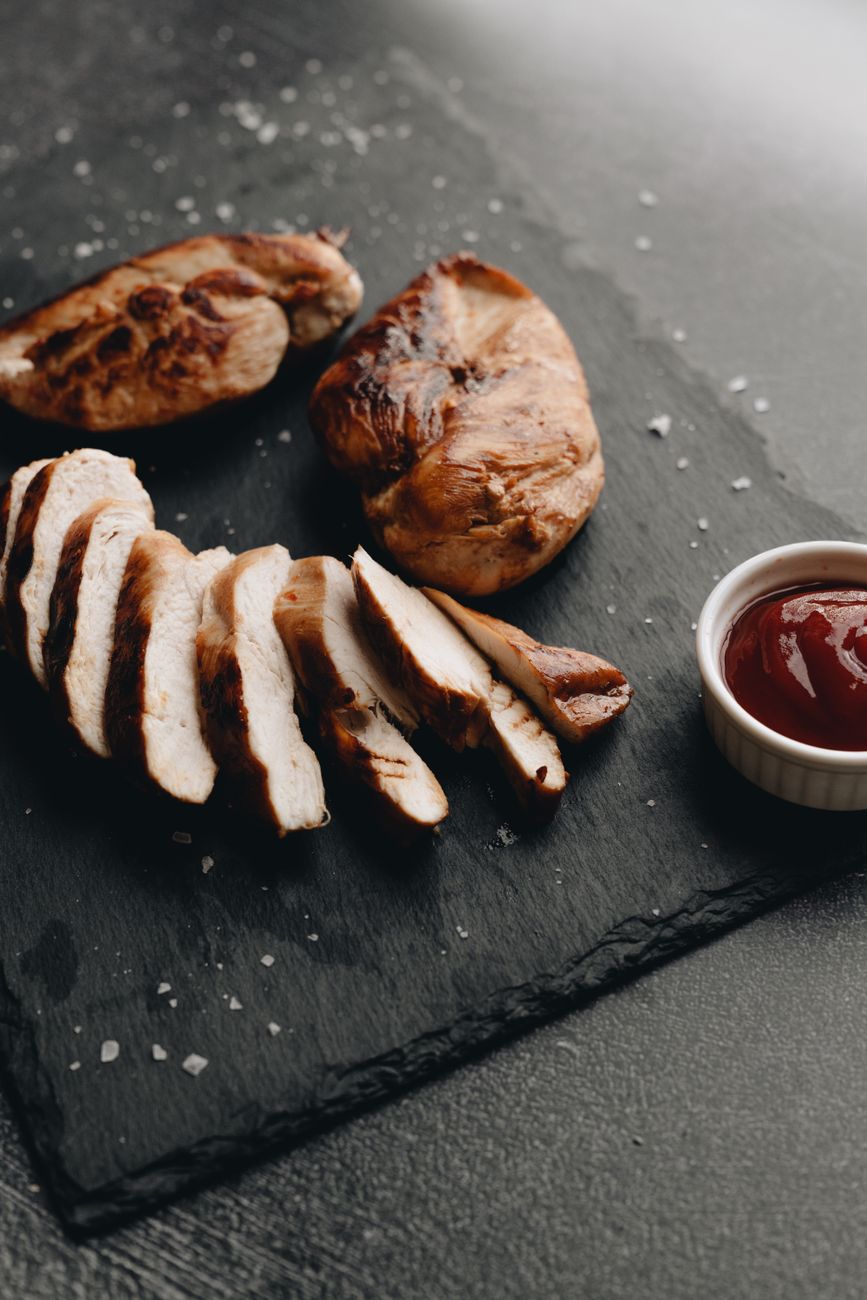
- Lean Meats & Poultry: Chicken breast, turkey, lean beef (sirloin, tenderloin), pork tenderloin. (Approx. 25-30g protein per 3-4 oz cooked)
- Fish: Salmon, tuna, cod, tilapia, shrimp. (Approx. 20-30g protein per 3-4 oz cooked)
- Eggs: A whole large egg contains about 6 grams of protein and valuable micronutrients.
- Dairy: Greek yogurt (especially plain, which can have 15-20g per serving), cottage cheese, milk, cheese.
- Plant-Based Proteins: Lentils, beans (black, kidney, chickpeas), tofu, tempeh, edamame, quinoa, nuts, and seeds. (Protein content varies, e.g., lentils ~18g per cooked cup, tofu ~20g per cup).
Sample High-Protein Meal Ideas:
- Breakfast: Scrambled eggs (3-4) with spinach and a side of Greek yogurt.
- Lunch: Grilled chicken salad with mixed greens, vegetables, and a light vinaigrette.
- Dinner: Baked salmon with roasted broccoli and quinoa.
- Snack: Cottage cheese with berries or a handful of almonds.
The Super Slow Protocol and Protein
For individuals interested in time-efficient and effective training, the Super Slow protocol, popularized by Arthur Jones and Ellington Darden, and discussed by Tim Ferriss in “The 4-Hour Body,” places a significant emphasis on time under tension. This method involves lifting and lowering weights in a controlled manner, typically over 6-10 seconds for each phase, performing 8-10 reps to muscular failure. This intense protocol places a high demand on muscle protein synthesis, making adequate protein intake absolutely critical for recovery and growth. Machines are often preferred for Super Slow training due to their ability to isolate muscles and minimize momentum, providing a consistent resistance curve. A sample machine-based Super Slow workout might include:
- Leg Press: 1 set to failure (8-10 reps, 6-sec lift, 6-sec lower).
- Chest Press Machine: 1 set to failure.
- Lat Pulldown Machine: 1 set to failure.
- Shoulder Press Machine: 1 set to failure.
- Bicep Curl Machine: 1 set to failure.
- Triceps Extension Machine: 1 set to failure.
This minimalist approach, when combined with a robust protein intake (0.7-1.0 g/lb of goal bodyweight), maximizes muscle stimulation while minimizing workout duration.
Glucose Monitoring and Protein Intake
For those focusing on metabolic health, energy levels, or fat loss, monitoring glucose response to meals can be insightful. Continuous Glucose Monitors (CGMs) like Levels, Stelo, or devices from Dexcom can reveal how different foods impact blood sugar. While protein itself tends to have a minimal impact on blood glucose, protein consumed alongside carbohydrates can help blunt a sharp glucose spike. Strategies to manage glucose spikes include:
- Food Order: Eating protein and healthy fats before carbohydrates at a meal.
- Post-Meal Walk: A brief 10-minute walk after eating can significantly improve glucose disposal.
- Adequate Protein/Fat: Ensuring meals are balanced with sufficient protein and healthy fats to promote satiety and slow digestion.
Wearables, AI, and Recovery
Integrating data from wearables like Garmin or Apple Watch can provide valuable context for your training and recovery, especially when combined with AI-driven platforms like FitForge AI. Metrics such as sleep duration and quality, Resting Heart Rate (RHR), Heart Rate Variability (HRV), and Training Readiness scores can indicate your body’s recovery status. If your wearable consistently shows poor sleep or low readiness, and you suspect low protein intake might be contributing to fatigue or slow recovery, FitForge AI can help adjust your training load and nutrition recommendations accordingly. Sync your wearable with FitForge AI to allow Coach Voris to interpret your weekly trends and personalize your program for optimal results.
Modifications, Rehab & Injury Prevention
When assessing protein intake, consider how it impacts your ability to perform and recover from exercise, especially if you have limitations or are focusing on injury prevention.
- Regressions: For individuals new to training or recovering from injury, focus on protein sources that are easier to digest and incorporate protein earlier in the day. Instead of heavy lifting, focus on bodyweight exercises and ensure adequate hydration, as dehydration can exacerbate fatigue. For example, instead of a heavy leg press, opt for seated calf raises or glute bridges focusing on controlled, shorter range of motion.
- Progression: Advanced athletes can benefit from strategically timed protein intake around workouts, potentially including protein supplements like whey or casein post-exercise to accelerate muscle repair. Consider cycling higher protein intake during intense training phases.
- Pain Cues: If you experience sharp joint pain during exercises, it may indicate muscle imbalances or weakness, often exacerbated by poor recovery due to insufficient nutrition. Sharp knee pain during squats → reduce range of motion, focus on heel-elevated squats, and screen for glute activation. Sharp shoulder pain during presses → reduce weight, focus on scapular retraction, and screen for thoracic mobility.
- Prehab Drills: Incorporate exercises like band pull-aparts (for upper back and shoulder health), glute bridges (for glute activation and hip extension), and quadruped bird-dogs (for core stability and contralateral limb control). These drills enhance muscle function and resilience.
- Consultation: If you experience persistent, sharp, or radiating pain, or if symptoms do not improve with modifications and adequate nutrition, consult a physical therapist or physician for a proper diagnosis and treatment plan.
Frequently Asked Questions (FAQ)
- Q: How much protein do I need daily?
A: Most active adults benefit from 0.7–1.0 grams of protein per pound of goal bodyweight daily, distributed across 3-5 meals.
- Q: Can I get enough protein from plant-based sources?
A: Yes, it’s possible by consuming a variety of plant-based protein sources like lentils, beans, tofu, tempeh, and quinoa, ensuring you get a complete amino acid profile.
- Q: What is the best time to eat protein?
A: While total daily intake is most important, consuming protein within a few hours post-workout can support muscle repair. Distributing protein evenly throughout the day is optimal for satiety and muscle protein synthesis.
- Q: Will eating too much protein be harmful?
A: For healthy individuals, excessive protein intake is generally safe, though it may displace other essential nutrients. Very high intakes might strain kidneys in individuals with pre-existing kidney conditions.
- Q: What are the best protein sources for muscle building?
A: Complete protein sources like lean meats, poultry, fish, eggs, dairy, and well-combined plant proteins (e.g., rice and beans) are excellent for muscle building due to their full spectrum of essential amino acids.
Conclusion
Paying attention to the signs your body is giving you is crucial for optimizing health and performance. If you suspect you’re not eating enough protein, evaluate your current intake and consider gradually increasing your consumption with whole, nutrient-dense foods. Small, consistent changes can lead to significant improvements in energy, recovery, body composition, and overall well-being.
Ready to take your fitness and nutrition to the next level? FitForge AI offers personalized fitness plans and AI-powered coaching to help you reach your goals. Start your free 7-day trial today!
Written by Coach Voris, NASM-CPT — Certified Personal Trainer and founder of FitForge AI. Coach Voris combines evidence-based training with AI to deliver personalized coaching at scale.
Originally published on FitForge AI. Start your free 7-day trial today!
