
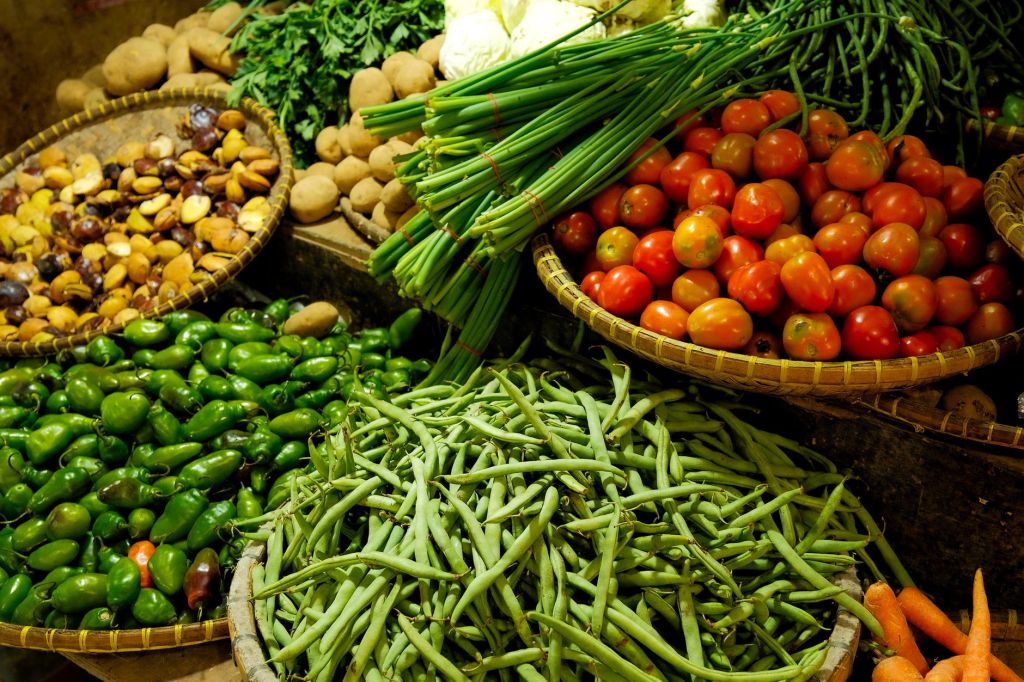
The Best Food Order to Blunt Glucose Spikes
The optimal food order to blunt glucose spikes involves consuming fibrous and protein-rich foods before carbohydrates. Research shows that eating vegetables and protein sources first can significantly reduce the post-meal glycemic response, leading to more stable blood sugar levels and sustained energy throughout the day.
Key Takeaways
- Food Order Matters: Begin meals with non-starchy vegetables and protein/healthy fats.
- Carb Timing: Consume carbohydrate-rich foods last.
- Benefits: Reduced glucose spikes, improved insulin sensitivity, sustained energy.
- Tools: Consider a continuous glucose monitor (CGM) to personalize strategies.
What is a Glucose Spike and Why Should You Care?
A glucose spike, or blood sugar spike, refers to a rapid increase in blood glucose levels after consuming food, particularly carbohydrate-rich meals. While some fluctuation is normal, frequent and large spikes can have several negative health implications.
Research indicates that consistent glucose volatility is associated with an increased risk of developing insulin resistance, type 2 diabetes, cardiovascular disease, and other metabolic dysfunction. Furthermore, these spikes can lead to energy crashes, mood swings, and increased cravings for sugary foods, creating a difficult cycle to break.
Understanding how to manage these spikes is crucial for overall health, energy levels, and long-term disease prevention. This is where the science of food sequencing, or the “food order effect,” comes into play.
How Does Food Order Affect Glucose Spikes?
The sequence in which you eat your food components can significantly impact your body’s glycemic response. The “food order effect” is a well-documented phenomenon where consuming certain macronutrients before others alters the absorption rate of glucose.
According to studies published in journals like the American Journal of Clinical Nutrition, initiating a meal with fiber and protein before digestible carbohydrates leads to a blunted postprandial glucose and insulin response compared to consuming the same foods in a different order.
Mechanism:
- Fiber First: Soluble fiber, found in vegetables and some fruits, forms a gel-like substance in the digestive tract. This gel slows down the digestion and absorption of carbohydrates consumed later in the meal, smoothing out the glucose curve.
- Protein and Fat: Protein and healthy fats also slow gastric emptying (the rate at which food leaves your stomach). Furthermore, protein stimulates the release of satiety hormones, which can reduce overall food intake and potentially the amount of carbohydrates consumed.
- Carbohydrates Last: By delaying the intake of carbohydrates, the body has already slowed down the digestive process, leading to a gentler rise in blood sugar.
What is the Best Food Order to Blunt Glucose Spikes?
The most effective food order to blunt glucose spikes follows a simple, evidence-based principle:
Wisest Order: Vegetables → Protein/Fats → Carbohydrates
- Start with Non-Starchy Vegetables: Fill your plate initially with leafy greens, broccoli, cauliflower, bell peppers, asparagus, or other low-carbohydrate vegetables. These are packed with fiber and micronutrients.
- Follow with Protein and Healthy Fats: Next, target your protein source (e.g., chicken breast, fish, tofu, beans) and healthy fats (e.g., avocado, nuts, seeds, olive oil). This combination further slows digestion and promotes satiety.
- Consume Carbohydrates Last: Finally, eat your carbohydrate sources (e.g., quinoa, brown rice, sweet potatoes, whole-grain pasta). By this point, your digestive system is primed to handle the glucose more effectively.
Example Meal: Salmon with roasted asparagus and a side of quinoa. The ideal order would be to eat the asparagus first, followed by the salmon, and then the quinoa.
Do Specific Foods Help More Than Others?
Absolutely. Certain food types excel at blunting glucose spikes due to their macronutrient composition and structure:
- High-Fiber Vegetables: Broccoli, Brussels sprouts, cauliflower, spinach, kale, asparagus, artichokes. The high fiber content physically slows digestion.
- Lean Proteins: Chicken breast, turkey, fish (salmon, tuna), eggs, Greek yogurt, tofu, lentils, beans. Protein requires more energy to digest and promotes satiety hormones like GLP-1 and PYY. Research shows protein intake positively influences appetite regulation.
- Healthy Fats: Avocado, nuts (almonds, walnuts), seeds (chia, flax, pumpkin), olive oil. Fats significantly slow gastric emptying, providing a sustained release of energy and helping to reduce the absorption of sugars from accompanying carbohydrates.
- Acidic Foods: Vinegar (in dressings), lemon juice. Adding acid to a meal, as demonstrated in some studies, can also help lower the glycemic index of the meal by slowing stomach emptying.
For example, a salad with grilled chicken and a light vinaigrette dressing, followed by a small portion of sweet potato, is far superior for glucose management than starting with the sweet potato.
Can You Use Wearables to Track Your Glucose Response?
Yes! Continuous Glucose Monitors (CGMs) like those from Levels, Dexcom, Nutrisense, or Abbott (FreeStyle Libre) have become increasingly accessible for non-diabetic individuals seeking to optimize their metabolic health. These devices provide real-time data on your blood glucose levels, allowing you to see the direct impact of different foods and meal timings.
By wearing a CGM, you can experiment with the food order strategy and observe your own unique glycemic responses. You might find that starting with a handful of almonds before your main meal results in a significantly lower peak glucose level compared to eating the same meal in a different sequence. This personalized data empowers you to fine-tune your eating habits for optimal metabolic health.
At FitForge AI, we leverage data from your connected wearables (like Garmin or Apple Watch) to understand your readiness, recovery, and overall metabolic picture. This allows for truly personalized training and nutrition guidance.
Modifications, Rehab & Injury Prevention
While the food order strategy is generally safe and beneficial for most, modifications can enhance its applicability and effectiveness.
Regressions/Beginner Modifications:
- Focus on One Component: If a full salad is too filling initially, start by ensuring you have at least 1-2 servings of non-starchy vegetables with your meal, focusing on easier-to-digest options like steamed green beans or cooked spinach.
- Add Healthy Fats to Carbs: If consuming protein/fat before carbs is challenging, ensure you add a healthy fat source (like olive oil drizzle or a few slices of avocado) directly to your carbohydrate portion. This still aids in slowing absorption, albeit less effectively than the full sequence.
Progression for Advanced:
- Incorporate Fermented Foods: Add fermented vegetables like sauerkraut or kimchi as a pre-meal appetizer. Their probiotic content may offer additional gut health benefits that indirectly support metabolic function.
Common Pain/Injury Cues:
- Digestive Discomfort: Sudden increase in fiber intake can cause bloating or gas. Fix: Gradually increase fiber; ensure adequate water intake.
- Sharp Abdominal Pain: This is not typical and could indicate an underlying issue. Fix: Consult a healthcare professional immediately.
Prehab Drills:
- Band Pull-Aparts: (3 sets of 15-20 reps) for upper back and shoulder health, crucial for posture when eating.
- Glute Bridges: (3 sets of 15-20 reps) to activate glutes, important for overall stability and counteracting sedentary effects.
- Deep Squat Mobility: (Hold 30-60 seconds) to improve hip and ankle mobility, aiding digestion and overall functional resilience.
When to Consult a Professional: Persistent digestive distress, sharp abdominal pain, or any concerns regarding your ability to implement dietary changes should prompt a consultation with a registered dietitian, nutritionist, or physician.
Frequently Asked Questions (FAQ)
Q1: Does eating fruit after a meal spike blood sugar?
Yes, eating fruit (a carbohydrate) after protein and fat may still cause a noticeable glucose spike, though likely less severe than eating it on an empty stomach. Consuming fruit before or with a meal containing fiber and protein is generally better for managing blood sugar.
Q2: Is it okay to eat carbs if I have glucose spikes?
It is okay to eat carbohydrates, but managing how much and when you eat them is key. Implementing the food order strategy (veggies/protein first, carbs last) and pairing carbs with fiber, protein, and fats can significantly blunt spikes, even for those sensitive to carbohydrates.
Q3: How long does it take for the food order effect to work?
The effect on glucose levels is immediate. You can observe a difference in your post-meal glucose readings within 30-120 minutes after eating, especially if using a CGM.
Q4: Does this food order apply to all types of carbs?
Yes, this strategy is beneficial for all types of carbohydrates, including refined grains, starchy vegetables, and sugars. However, prioritizing complex carbohydrates (like whole grains and legumes) over refined ones is still recommended for overall nutritional quality.
Q5: Can I just eat less to avoid glucose spikes?
While portion control is important for overall health and calorie management, simply eating less doesn’t guarantee blunted glucose spikes if the food order and composition remain unchanged. Focusing on food order and macronutrient balance is a more direct strategy for glucose management.
Conclusion
Mastering the simple yet powerful strategy of sequencing your meals can be a game-changer for managing blood glucose levels, improving energy, and supporting long-term metabolic health. By prioritizing fiber-rich vegetables and protein before your carbohydrate intake, you can effectively blunt glucose spikes and foster a more stable physiological environment.
Ready to unlock your personalized fitness and nutrition potential? Try FitForge AI
Originally published on FitForge AI. Start your free 7-day trial today!
